

Page 1
Why is warmth needed after craniosacral therapy?
Key for warming after craniosacral therapy: maintain energy circulation, consolidate healing state, and avoid cold interference with body repair.
Page 2
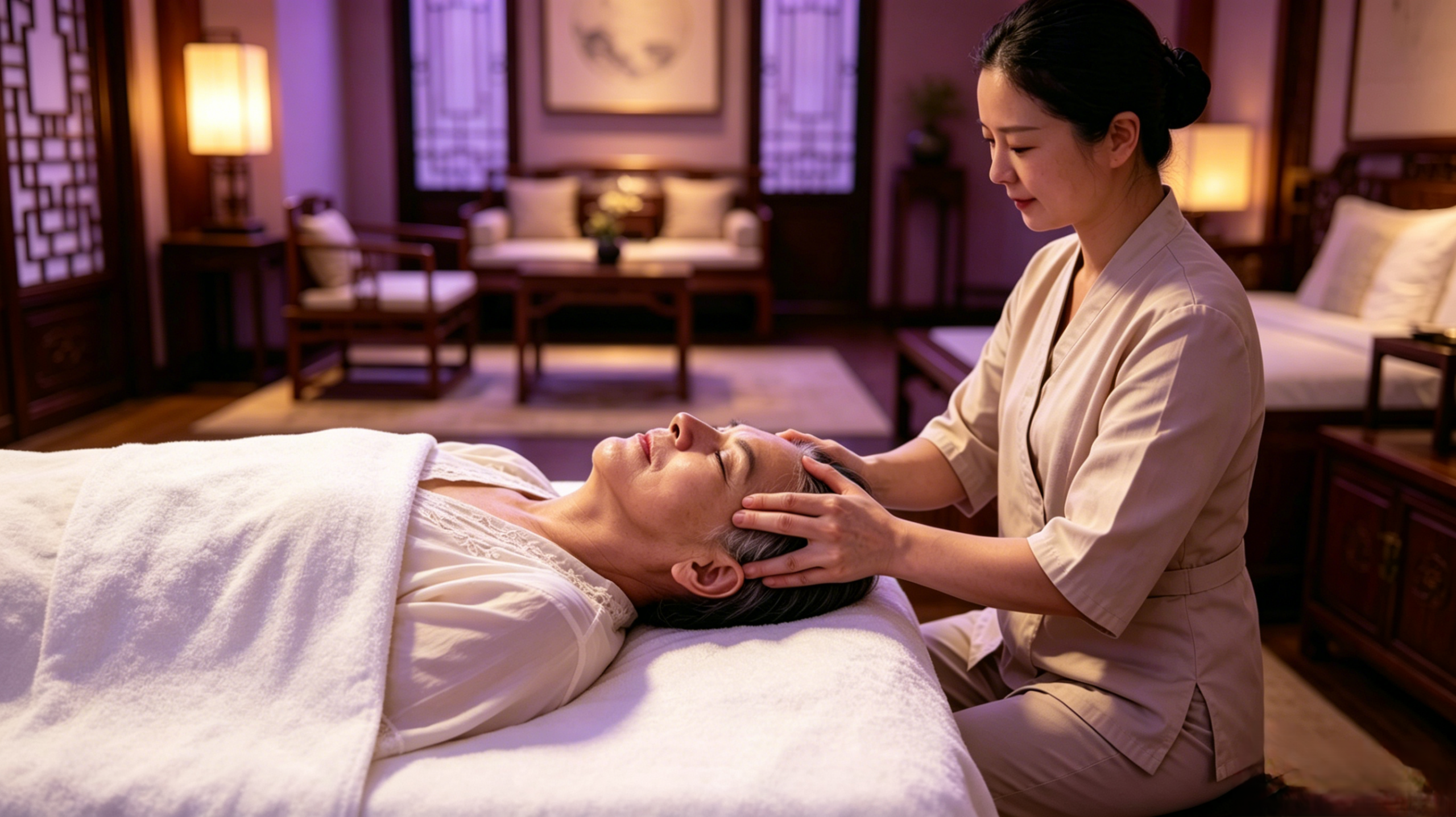
After undergoing craniosacral therapy, the body often enters a state of deep relaxation and self-regulation; at this time, warmth is very important. The main reasons can be understood from both physiological and psychological perspectives:
Physiological level: Maintaining stability of energy and circulation
When the autonomic nervous system is in a phase of adjustment, craniosacral therapy regulates the cranial rhythm by gentle touch, possibly prompting the body to shift from “synergistic” (tense mode) to “parasympathetic nervous system nervous system” (rest repair mode). During this transition, the body’s metabolism slows and blood circulation may be more focused on deep repair than surface energy supply, making it easier to feel a drop in body temperature and more sensitive to cold outside.
Page 3
2 Energy redistribution and “Qi” flow Many traditional therapies believe that after healing, body energy will be re-integrated, with Qi and blood concentrating on internal repair, temporarily weakening the body’s defensive capacity. Wind-cold is prone to invade through vulnerabilities, leading to discomfort or affecting healing outcomes.
3. The subtle changes in fluid circulation involve optimizing cerebrospinal fluid flow, which is closely related to the whole-body fascial system and lymphatic circulation. After healing, fluid circulation may be in a regenerative phase; maintaining warmth helps support this process and prevents fascial contraction or circulation stagnation caused by cold.
# Psychological and Energy Level: Consolidating Healing State
Page 4
Maintaining a “inclusive” physical and mental environment allows the body and mind to be open and sensitive after healing, similar to calmness after meditation. Cold stimuli may trigger unconscious tension in the body, disrupting this delicate balance. A warm environment acts like a protective shield, helping the body and mind stabilize and integrate the healing experience.
2 Avoid exacerbation of ‘healing reactions’: Some people may experience short-term fatigue, emotional release, or re-experience of old injuries (i.e., ‘healing reactions’) after healing. Cold may worsen these reactions, especially muscle tension or joint discomfort.
# Practical Precautions
Page 5
– Within 24 hours after healing: It is recommended to wear enough clothing, especially protecting key areas such as neck and back, waist and abdomen, ankles, etc.
– Avoid cold stimulation: temporarily avoid taking cold showers or swimming, reduce exposure to cold drafts, and be cautious about direct air conditioning during summer.
– Warm drinks and rest: Drink warm water or hot herbal tea to give your body sufficient time for recovery.
– Observe body signals: If you feel cold, add clothing or use a warm water bag promptly.
# Extended Understanding: The Commonality of Eastern and Western Healing
Page 6
This principle is similar to traditional Chinese medicine’s logic of “avoiding wind and cold after treatment” and warming up after exercise to prevent injury, both emphasizing that during transitional stages of the body, warmth reduces external interference and allows self-healing to function more smoothly.
Essentially, warmth is a gentle reminder to the body — when it focuses on internal repair, we provide support in a simple yet important way. Of course, individual differences always exist; listening to the body’s true feelings remains the top priority.