

Page 1
How a craniosacral therapist discovers “old injuries”
People who have undergone cranio-sacral therapy often marvel at how cranio-sacral therapists can resolve years-old or even decades-old old wounds with simple touch, thereby causing a series of positive changes in their bodies — how is this achieved?
Page 2
First, let’s understand how “old injuries” form.
Systemic Mechanisms of Body Protection from Injury and Formation of ‘Old Injuries’
After the body suffers injury, it activates three stages of recovery mechanisms: inflammatory response, repair phase, and reconstruction phase. If the repair process is interfered with or not fully completed, the body will form compensatory protective mode.
These protective mechanisms are often solidified through fascial networks. Fascia is a connective tissue that runs throughout the body; unprocessed emotional energy and physical trauma are locked within fascia in the form of “tension,” leading to physical stiffness, pain, and dysfunction.
The autonomic nervous system also participates: long-term emotional stress causes sympathetic nervous system nerves to dominate continuously, leading the body into an exhausted state of “fight or flight” and preventing relaxation. This continuous alertness from the nervous system further strengthens the tense pattern of tissues.
Although these compensatory patterns initially have protective effects, their prolonged existence will gradually develop into functional limitations and may affect the normal rhythm of the craniosacral system,
Page 3
Such as altering the rhythm of cerebrospinal fluid flow or causing abnormal tension in membrane systems. This is the deep root cause of “old injuries,” often resulting from adaptive responses involving multiple levels and systems in the body.
How Craniosacral Therapists Discover “Old Injuries”
Craniosacral therapists primarily identify these deep functional limitations by assessing the craniosacral rhythm (Craniosacral Rhythm).
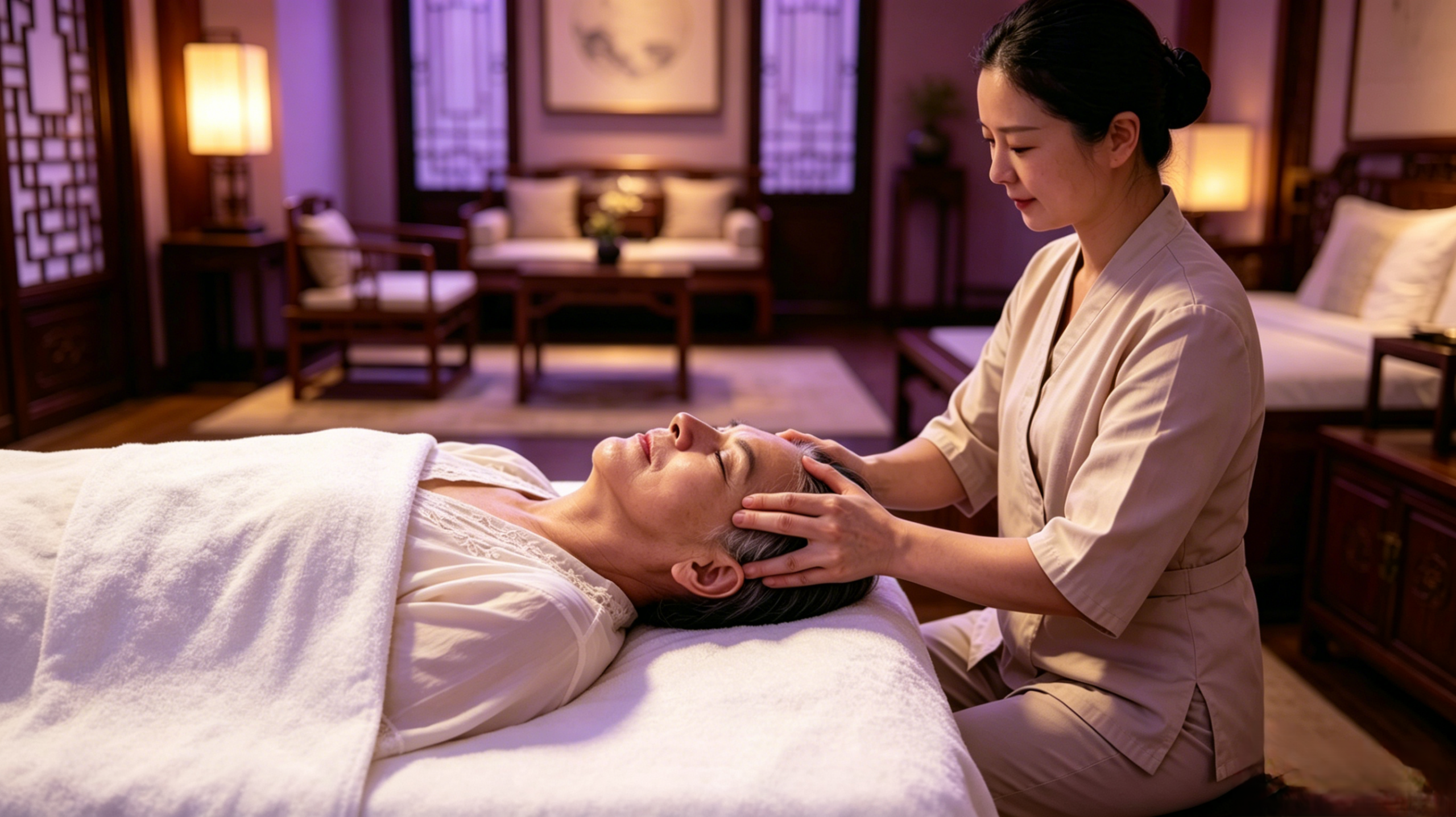
Palpate and listen for craniosacral rhythm: The therapist perceives the symmetry, quality, amplitude, and rate of craniosacral rhythm with extremely gentle techniques. Abnormalities in normal rhythm, such as asymmetry, reduced amplitude, or altered rate, often indicate functional limitation or “old injuries” in specific body areas.
1.
Assessing overall muscular tension: The healer senses the state of tension in the muscular network that runs throughout the body through his or her touch. The pattern of compensation formed by old injuries often creates abnormal “tight bandages” or “energy sacs” (an abnormal accumulation of energy) in the muscular network. The healer’s hands can sense these areas differently from the surrounding tissues – they may feel stiffer, colder, less energetic, or as if they have “nodules.”
2.
Page 4
Identify “Stasis Points”: In the circulatory rhythm of the craniosacral system, there exist brief “stasis points,” i.e., moments when cerebrospinal fluid fluctuations seem to pause. By identifying and perceiving the quality and timing of these stasis points, therapists can assess the depth and capacity of the body’s self-regulation, thereby identifying areas that require intervention.
3.
Release of “Old Injuries” Craniosacral Techniques and Their Inner Mechanisms
After discovering an old injury, the therapist uses a series of gentle techniques, focusing on guidance rather than coercion, aiming to activate the body’s inherent self-healing ability.
Guide the stagnation point and system reset: The therapist may gently resist one phase of the craniosacral rhythm (such as “full” or “empty”) to provide the body with a deep relaxation window, enabling it to self-reset and release accumulated deep tension. This is the foundation of many deep-release techniques.
1.
Release membrane system tension: “Old injuries” often lead to abnormal tension and distortion of the dural tube (the protective membrane structure surrounding the brain and spinal cord) or other fascia. Therapists use techniques such as dural relaxation to relieve tension, thereby reducing abnormal traction and compression on the central nervous system.
2.
Page 5
Light.
Diaphragm relaxation: There are multiple diaphragms in the body (such as the pelvic diaphragma, the respiratory diaphragmatic, the upper lip of the chest, the tongue bone muscles, the skull base). They are horizontally oriented fascia structures that tend to accumulate tension and affect the overall force conduction and fluid circulation. The healer assesses and releases these diaphragmatic tension individually, which is essential for integrating the body’s axis, optimizing cerebrospinal fluid flow, and relieving the compensatory patterns of “old wounds.”
3.
Energy guidance and emotion release: Craniosacral therapy believes that some “old injuries,” especially those related to emotional trauma, are stored in specific parts of the body as “energy sacs.” Healers sense these energy blocks through touch and use energy guidance techniques to promote their discharge and integration. This process may be accompanied by a release of the client’s emotions, such as sighing, trembling, or tears, which is a sign of the natural release of the emotional energy that has been held back.
4.
Activating parasympathetic nervous system nervous system nerves: craniosacral therapy’s extremely gentle touch and focused companionship strongly activate parasyphathetic nerves (especially vagus nerves) and cause the body to switch from the sympathetic nervous system-dominant state of “fight or flight” to the relaxed state of “rest and digestion.” This switching of the nervous system is a deep healing in itself, creating a safe environment for the body to let go of protective tension patterns that it no longer needs.
5.
Page 6
In summary
Craniosacral healers detect patterns of compensation formed by age-old injuries in patients by examining abnormalities in the craniosacral rhythm and sensing the tension of the muscular network. They then used a series of extremely gentle techniques to release these deep limitations by guiding the resting point, releasing membrane system tension, loosening the key diaphragm, conducting energy guidance, and activating the parasympathetic nervous system nervous system nervous system. Its core concept is not to “cure” disease, but to activate and empower the body’s innate ability to correct and heal itself by optimizing the function of the craniosacral system and removing obstacles that hinder its ability to heal itself, so that the deep “old wounds” can be truly resolved.