

Page 1
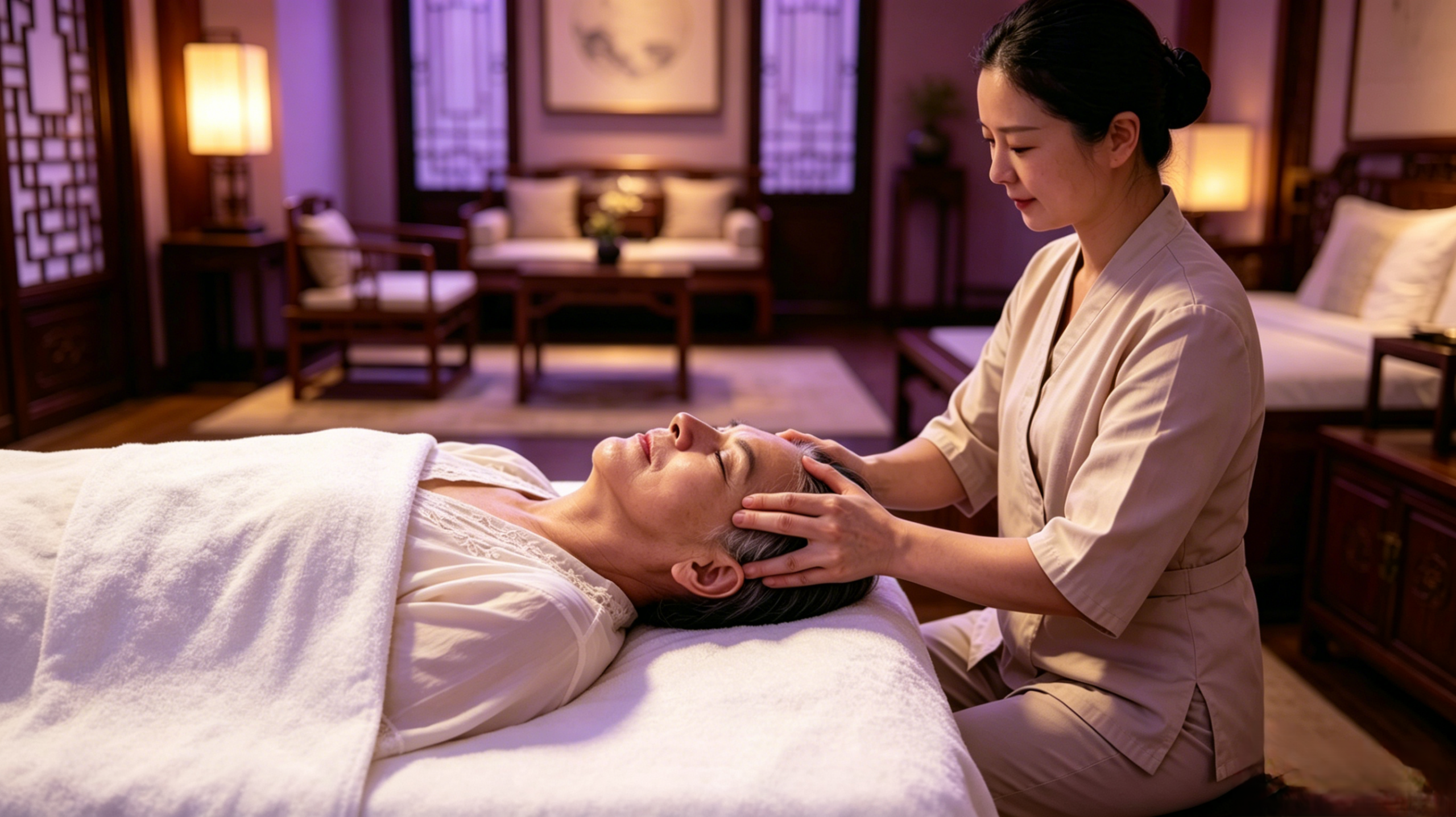
The ‘adhesion’ that foam roller/fascia gun cannot loosen, healed by therapists gently…
Page 2
Why do people who exercise regularly go to healers? If the body is relaxed, doesn’t rolling with a foam roller solve everything?
Whether foam rolling or therapists, both seem to seek physical relaxation, but upon deeper analysis, they touch on fundamental differences in philosophical thinking and operational mechanisms among various bodywork traditions.
Let’s break it down separately:
First category: Mechanical release technique (acts on the “form” layer)
This category includes foam rollers, fascia guns, and common relaxation massages. Their working principles are similar, which can be compared to maintaining the “hardware” of the body.
Common goal: primarily targets large, superficial muscles and other soft tissues, aiming to change their physical form and state.
Principle:
Mechanical pressure and traction: By applying external pressure, physically stretching and compressing soft tissues, temporarily breaking adhesions within fascia.
Page 3
(Similar to straightening or pushing apart tangled yarn with external force).
Increase blood flow and promote circulation: Compression can facilitate exchange between interstitial fluid and blood, helping remove metabolic waste, temporarily relieving local stiffness and edema.
Neurological sensory intervention: Intense pressure, vibration, or pain temporarily suppresses pain signals (via “gate control theory”), leading to temporary relaxation and reduced pain sensation.
Core limitations:
Treatment focuses on symptoms rather than root causes: They primarily address tense “results” rather than the underlying “root cause.” If the problem stems from deeper structural imbalances, visceral dysfunction, or nervous system disorders, this mechanical release effect is often temporary and superficial.
Unable to reach systemic ‘functional’ imbalance: especially unable to effectively handle deep tension related to the meningeal system. The meninges are a deep membrane that wraps around the brain and spinal cord; they resemble a continuous network, whose tension is often beyond the reach of conventional massage techniques.
Page 4
Category Two: System Regulation Techniques (Acting on the “Function” Level)
Craniosacral technique is a typical representative of this category. It is not ‘massage muscles’, but rather focuses on regulating the body’s ‘software’ and ‘energy’ systems.
Unique Goal: Regulate the physiological functions of the entire body, especially the rhythm and balance of the cranio-sacral system (including cerebrospinal fluid, meninges, skull and sacrum), rather than simply changing the physical form of a specific tissue.
Fundamental Principle:
Listen to the rhythm, not apply force: The therapist uses extremely gentle techniques to perceive the inherent “craniosacral rhythm” initiated by the central nervous system within the patient’s body. Abnormalities in the rhythm reveal the deepest tension and functional dysfunctions of the system.
Release core tension of membrane system: Many stubborn ‘adhesions’ may stem from the tightness of the ‘core cable’ known as dura mater. Craniosacral techniques gently induce the body’s self-correction and release tension, like softly untangling an entangled knot rather than forcefully pulling apart.
Page 5
Regulate nervous system state (key to cure): This gentle, noninvasive tactile input calms the autonomic nervous system deeply, lifting it from tension ” Switch to “fight or run” mode and switch to “rest and digest” mode that relaxes and repairs. A lot of chronic muscle tension is essentially the output of instructions from the nervous system when it is in an unusually alert state. The craniotomy removed this directly from the root cause. ” “Stress instructions.”
Processing holistic inertia patterns: It believes the body stores inertia patterns formed by past traumas (physical or emotional), affecting overall function. Only by releasing these patterns can the deepest “stickiness” be resolved.
Simply put, the answer is: foam rollers, fascia guns, and regular massage primarily act on soft tissues at the ‘form’ level of the human body, while craniosacral techniques focus on regulating the nervous system and internal rhythms at the ‘function’ level. They address different depths and dimensions of the same type of problem.
Let’s make a metaphor:
Foam roller / fascia gun / regular massage is like a gardener trimming branches or forcefully straightening a bent branch. The effect is direct and fast, targeting visible local problems. However, if the tree grows crooked due to soil or root issues (system dysfunction), then repairing
Page 6
The effect of cutting is temporary.
The craniosacral technique is like a gardener who understands plants, improving the entire ecosystem: regulating soil nutrients, light, and water, optimizing the internal vitality of trees, allowing them to recover vitality and grow healthily upward. It handles the ‘functional’ environment of the entire life system.
Conclusion: Why can the Cranio-Sacrum Method handle “adhesion” that previous methods failed to address?
Because those “adhesions” are likely not simple muscle nodules, but rather:
Originating from central tension patterns: triggered by torsion and tension of the dura mater system, which exceeds the reach of mechanical release techniques.
Functional ‘stuckness’ in the nervous system: The body is ‘set’ in a tense mode due to long-term stress. Craniosacral therapy resets this abnormal setting through system function.
System-wide inertia issues: The problem lies in the “software” (functional mode) that controls the body, not in the “hardware” (organizational form) itself.
For chronic, deep, and stress-related or trauma-related complex
Page 7
The problem, craniosacral therapy may provide a more fundamental solution.
So, if I can’t relax my stubborn illness, should I turn to a healer? You can check out the next article.