


Page 1
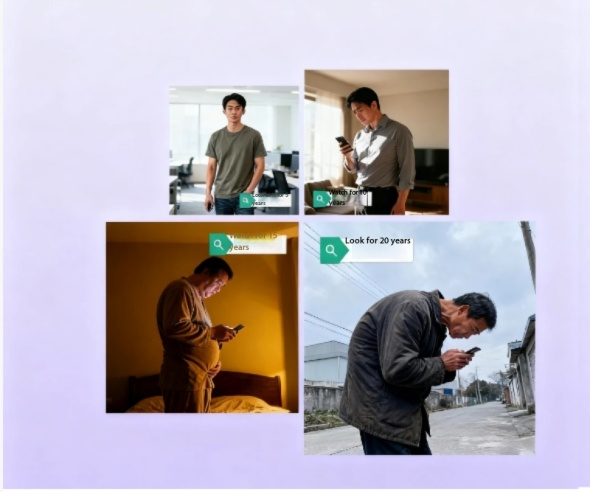
This article is 3672 words long, taking 8 minutes to read.
Mobile Phone Slave: How do I treat my body posture?
Long-term mobile phone use damages multiple systems, from mild discomfort to irreversible damage; mental dependence worsens, requiring vigilance.
Xiaohongshu ID: 5445352702
Page 2
As the duration of mobile phone use increases, its damage to various human systems will gradually accumulate and worsen, while also triggering a series of mental issues. Although the example images provided by AI are exaggerated, the diseases of various underlying systems in the body are real; let’s take a look at “5/10/15/20”, and indeed, it is not fun.
I. 5 Years of Mobile Phone Use: Initial Accumulation Stage
At this stage, physical damage is still in a mild, reversible initial accumulation state, and mental dependence has just begun to appear.
System changes
– Skeletal and Muscular System: Due to prolonged低头 viewing mobile phones, the cervical spine shows mild anterior curvature; muscles in the neck and shoulders become tense and stiff due to continuous fixed posture; lumbar spine load slightly increases compared to normal state, but no obvious structural damage has yet occurred.
– Visual system: Long-term staring at the phone screen causes mild reduction in accommodation ability of the ciliary muscle, leading to symptoms such as eye fatigue and dryness. Some people may experience mild myopia or a slight increase in existing myopia degree.
-Nervous system: Tension in neck and shoulder muscles exerts mild pressure on surrounding nerves, occasionally causing temporary numbness or dizziness in arms, etc.,
Page 3
At the same time, attention is easily distracted by mobile phone information.
– Circulatory system: Prolonged sitting and using mobile phones can slightly slow down blood circulation in the lower limbs, occasionally causing leg soreness and swelling.
– Metabolic system: Due to reduced outdoor activity time and decreased physical activity caused by using mobile phones, basal metabolic rate has slightly declined, but no significant weight abnormalities have occurred.
– Mental aspect: Mild dependence on mobile phones; occasional brief irritability after leaving them, difficulty concentrating long-term on non-mobile phone-related tasks.
Hospital Treatment Methods
This phase is dominated by health promotion and minor interventions, and most systems do not require special treatment. In response to the discomfort of the skeletal and muscular system, the hospital will use physical therapy such as neck and shoulder massage and infrared physiotherapy, while instructing patients to maintain the correct sitting position and recommending cervical chiropractic exercises to help relieve muscle tension. For problems with the visual system, doctors will prescribe artificial tear fluid to relieve dry eyes, evaluate the impaired vision condition through vision tests, and correct the vision when necessary by fitting lenses. At the mental level, doctors will carry out health education, guide patients to formulate a reasonable mobile phone use plan, recommend cultivating offline interests such as reading and sports, and divert attention from the mobile phone.
II. 10 Years of Mobile Phone Use: Symptom Manifestation Stage
Page 4
Long-term accumulated damage begins to become evident, typical symptoms appear in various systems, and mental dependence further worsens.
System changes
– Skeletal and Muscular System: The physiological curvature of the cervical spine changes, leading to straightening, obvious muscle strain in neck and shoulder muscles, persistent soreness becoming normal; lumbar disc protrusion due to long-term compression causes limited waist mobility; wrist tendonitis caused by prolonged phone holding leads to significant reduction in finger dexterity.
– Visual system: Dry eye symptoms worsen, tear secretion decreases, eyes become dry and frequently experience foreign body sensation; myopia degree significantly deepens, some people develop astigmatism, and a minority begin experiencing floaters.
– Nervous system: Obvious symptoms of cervical nerve root compression, such as arm numbness and headaches, frequently occur; autonomic nervous system regulation dysfunction leads to decreased sleep quality, manifested as difficulty falling asleep and frequent dreams that easily wake up.
– Circulatory system: Poor venous return in lower limbs worsens, some people develop mild varicose veins; prolonged sitting increases cardiovascular load slightly, and blood pressure may occasionally fluctuate.
-Digestive system: Prolonged sitting inhibits gastrointestinal motility, easily causing indigestion and constipation.
– Mental aspects: Smartphone dependence becomes prominent, making it difficult to control usage time independently; emotional fluctuations are large, easily triggered by smartphone-related issues (such as battery
Page 5
Insufficient sleep and information delay can lead to anxiety and irritability; sleep disorders further exacerbate mental fatigue, and short-term memory also declines.
Hospital Treatment Methods
Treatment modalities have shifted from basic intervention to targeted treatment. In the skeletal and musculoskeletal system, the hospital will use advanced physical therapy such as cervical lumbar traction and acupuncture, together with external anti-inflammatory analgesics and oral muscle relaxants to relieve symptoms. When tendinitis is severe, closed treatment is used, i.e., local injection of glucocorticoids. In vision system treatment, doctors will use cyclosporine drops to regulate the secretion of tears and, in severe cases, tear tunnel embolism. Myopia and stray vision are corrected through optometry and the underlying condition of the eye is examined to prevent subsequent defects. Neurological treatment focuses on improving symptoms, prescribing drugs such as Zopiclone to improve sleep, acupuncture to relieve headaches, and neuroelectrical stimulation therapy to improve symptoms of nerve compression. In the circulatory system, patients are instructed to wear medical elastic socks to improve mild varicose veins, monitor blood pressure changes, and adjust with short-acting blood pressure medication when necessary. Problems in the digestive northern system are mediated by oral administration of gastrointestinal kinetic drugs such as moxicillin and probiotic bacteria to regulate gut function. At the mental level, psychiatrists will carry out cognitive behavioral therapy to help patients correct excessive use of computers, prescribe short-acting anti-anxiety medications or sleep aids when necessary, and optimize sleep regimens with sleep monitoring.
III. 15 Years of Mobile Phone Use: Stage of Increased Damage
Damage to all systems further deteriorates, and some injuries begin to progress irreversibly
Page 6
Development, mental problems have gradually evolved into typical psychological disorders.
System changes
– Skeletal and Muscular System: Osteophyte formation in the cervical spine, narrowing of intervertebral foramina directly compressing nerves; worsening symptoms of lumbar disc herniation, some people accompanied by spinal canal stenosis, causing radicular pain in the lower back and legs; knee joints show degenerative changes due to prolonged lack of activity, leading to reduced joint flexibility.
– Visual system: Dry eye syndrome develops into chronic, corneal epithelium damage due to long-term dryness; high myopia risk significantly increases, fundus shows degenerative changes, mild decline in macular function affects visual quality.
– Nervous system: Neurological compression symptoms persist and are difficult to relieve; some patients experience mild atrophy of upper limb muscles; significant decline in memory and slowed reaction speed is evident; anxiety, irritability, and other emotional issues frequently occur, severely affecting daily life.
– Circulatory system: Obvious symptoms of lower limb varicose veins, significantly increased risk of thrombosis; mild abnormalities in blood lipids and blood glucose, increasing cardiovascular disease risk.
– Metabolic system: Severe lack of physical activity, significantly increased risk of obesity, decreased insulin sensitivity in the body, and prominent metabolic disorders.
– Mental aspects: Obvious anxiety or depression tendencies appear, manifested as low mood and reduced interest in things; smartphone addiction is difficult to quit, and panic may occur after leaving the phone; cognitive function is impaired, attention difficulty
Page 7
Concentration and logical thinking ability decline.
Hospital Treatment Methods
Treatment needs to be combined with minimally invasive interventions and medications, along with intensified psychological interventions. In the musculoskeletal system, patients with lumbar disc protuberance may be treated with minimally invasive intervention such as radiofrequency ablation. Patients with severe bone mass need to be evaluated for the possibility of surgery, such as cervical forehead depressurization; For knee problems, sodium fibriate is injected to lubricate the joint and relieve the discomfort caused by degenerative changes. In the treatment of the visual system, patients with chronic dry eye need to use immunosuppressant eye drops; After the eyelid examination finds a lesion, apply eyelid laser treatment in a timely manner to slow the progression; Patients with high myopia need to regularly examine the eyelid to strictly prevent complications. Neurological therapy combined with a nutritional nerve with psychological intervention, and oral nutritional nerve drugs such as methotrexamine; In cases of severe anxiety, the psychiatry department intervenes in systematic psychotherapy, together with anti-anxiety drugs such as sertraline. In the circulatory system, it is feasible for patients with varicose vein to have a hardening agent injection or laser closure; Lipitor reduction drugs such as avastatin and metformin are used to control blood lipid and blood sugar indicators through oral administration of lipid lowering drugs suchas avastatin, and glucose lowering medications such as Metformin. Low-molecular heparin is used to prevent blood clots. In metabolic system treatment, doctors will develop personalized weight loss regimens for patients in combination with exercise therapy, while monitoring blood sugar and lipid changes, adjusting diet structure, and using weight loss drugs as aided treatment when necessary. At the mental level, the psychiatry department carries out systematic interventions such as cognitive behavioral therapy and group therapy. Patients need to take anti-anxiety or anti-depression medications for a long time, regularly review and adjust the medication regimen, and train through behavioral interventions.
Page 8
Gradually reduce dependence on mobile phones.
IV. 20 Years of Mobile Phone Use: Chronic Disease Stage
Long-term damage has evolved into severe chronic diseases, with irreversible damage in multiple systems, and mental health issues may develop into severe psychological disorders, posing a serious threat to life and health.
System changes
– Skeletal and Muscular System: Severe degenerative changes occur in the cervical and lumbar spine; most patients require surgical intervention to relieve symptoms; joint deformities are prominent, such as cervical stenosis and lumbar scoliosis, severely limiting daily activities (e.g., walking, turning); overall muscle mass decreases, strength declines, and physical activity ability significantly deteriorates.
– Visual system: Severe visual impairment; patients with high myopia are prone to complications such as retinal hole and detachment, some may develop early-onset cataracts, and face the risk of permanent vision decline.
– Nervous system: Long-term nerve compression leads to irreversible damage, patients may experience limb sensory disorders and reduced motor function; cognitive function is severely impaired, memory significantly declines, and the risk of developing dementia in older age increases substantially.
– Circulatory System: Lower limb varicose veins worsen, easily leading to venous thrombosis; chronic diseases such as hypertension and hyperlipidemia are common, with high incidence of myocardial infarction,
Page 9
The risk of cardiovascular events such as cerebral infarction is significantly increased.
-Metabolic system: Obesity, type 2 diabetes, and other metabolic syndromes are common; long-term metabolic abnormalities lead to liver and kidney dysfunction, affecting normal metabolic functions.
– Mental aspects: May easily develop into severe anxiety disorder or depression; some patients may exhibit self-harm tendencies; social function severely declines, refusal to participate in offline interactions, strong sense of loneliness; significant cognitive decline, severe memory loss, and significantly increased risk of developing dementia in the elderly.
Hospital Treatment Methods
Treatment requires a combination of surgery, long-term drug management and comprehensive rehabilitation, and psychiatric treatment requires intensive specialized intervention. In the skeletal and musculoskeletal system, patients with severe disease of the cervical and lumbar spine need to undergo open surgery such as lumbar fusion. Long-term rehabilitation needs to be carried out after surgery, including physical function training and muscle recovery exercises; In cases of severe joint deformation, the feasibility of joint replacement should be assessed. In the treatment of the visual system, patients with a cracked omentum or retinal detachment need vitriolic surgery or retinal reconstitution; Cataract patients recover their vision through ultrasound emulsion cataract removal combined with artificial lens implantation; People with severe vision impairment need a compatible brotherhood lens to assist in life. Neurological treatment focuses on delaying decline and functional recovery, and oral cognitive improvement drugs such as donapic to delay cognitive decline; People with physical dysfunction carry out summer training for rehabilitation such as sports therapy and occupational therapy; Severe nerve injuries require surgery to repair nerves. In terms of circulatory system, patients with venous thrombosis need to be treated
Page 10
Occasionally perform embolization or thrombolysis; Patients with hypertension and coronary heart disease need to be treated with nitrate-lowering drugs, antiplatelet drugs such as aspirin and statins for a long time. Patients with severe coronary heart disease need a coronary stent or coronary bypass. In the treatment of the metabolic system, patients with type 2 diabetes need to use insulin or long-acting glucose lowering drugs to strictly control blood sugar; Obese patients may consider metabolic surgery such as sleeve gastrectomy; Those with impaired liver and kidney function need to be treated accordingly, such as using liver protective drugs, preparing for kidney dialysis in advance, and regularly monitoring liver and renal function indicators. Mentally, severe patients need to be hospitalized in psychiatric settings, combined with powerful antidepressants, antipsychotics and in-depth psychological interventions. Conduct cognitive rehabilitation training to delay cognitive decline; At the same time, family psychological support guidance is strengthened to help patients gradually rebuild social connections and improve their mental state.
Long-term excessive use of mobile phones poses hazards to the human body that are progressive and cumulative; from initial mild discomfort, they gradually develop into severe organic lesions and mental disorders.
So, did you put down your phone? Did your body organs also put down their phones? To be continued — only healers know that even when you’re asleep, you’re still looking at your phone.