

Page 1
This article is 2447 words long, and reading takes 5 minutes.
Why do people fall asleep quickly after craniosacral therapy?
Modern life stress and bad habits cause excessive activation of the sympathetic nervous system nervous system; craniosacral therapy helps sleep by relaxing nerves and activating the parasympathetic nervous system system.
Page 2
First, let’s look at why people can’t sleep.
Modern life: constant stimulation of the sympathetic nervous system nerve
Many lifestyle factors and factors in modern society keep ‘pushing’ the sympathetic nervous system nerves:
Persistent psychological stress: High-intensity work, academic burden, economic pressure, and interpersonal troubles can cause the body to remain in prolonged psychological stress and alert state; even at night, the brain cannot “brake,” continuously thinking or worrying, leading to difficulty falling asleep.
Irregular lifestyle habits
Overuse of electronic devices: Excessive use of phones, computers, etc., before bedtime can significantly suppress melatonin production due to blue light emitted by screens, delaying sleep onset time.
Improper diet: Consuming caffeine-containing substances (coffee, strong tea, certain milk teas) or nicotine-stimulating substances before bedtime directly excites the sympathetic nervous system nervous system. Overeating dinner or consuming high-sugar, spicy foods may also interfere with sleep.
Disrupted sleep schedule: Frequent staying up late, irregular sleep-wake cycles, and excessive daytime napping weaken sleep drive, disrupts circadian rhythm, leading even when physically tired to
Page 3
May be unable to fall asleep.
Uncomfortable sleep environment: factors such as overly bright bedroom lighting, noise disturbance, and temperature discomfort can stimulate the senses, keep the brain alert, amplify tension emotions, and interfere with sleep onset.
Certain somatic diseases can also directly or indirectly cause insomnia through physiological mechanisms:
Hyperthyroidism: Excessive production of thyroid hormones increases metabolic rate throughout the body, and the sympathetic nervous system nervous system becomes more active accordingly; patients often experience difficulty falling asleep, palpitations, excessive sweating, etc.
Chronic pain disorders: such as arthritis, migraine, etc., persistent pain is a strong stressor that continuously activates the sympathetic nervous system nervous system, making it difficult for people to sleep peacefully.
Anxiety disorders, depression, and other mood disorders: These are the causes leading to insomnia. Patients often have autonomic nervous system dysfunction, manifested as increased heart rate and tension, difficulty calming at night.
You may have noticed, yes, the core mechanism of insomnia in modern people is almost entirely related to excessive activation of the sympathetic nervous system nervous system. It’s like the “accelerator” of the body; during nights when rest should be taken, it cannot be released, leading to continuous alertness and stress state, thus making it hard to fall asleep.
Page 4
Somatic Nervous System: Why It Becomes the Key to Insomnia
The sympathetic nervous system nervous system is part of the autonomic nervous system, primarily responsible for mobilizing bodily resources to respond to stress or danger, i.e., the “fight or flight” response. Its excessive activation directly suppresses sleep:
Physiological activation: Sympathetic Nervous System nervous system activation can cause increased heart rate, elevated blood pressure, and rapid breathing; these physical reactions completely contradict the relaxation state required for falling asleep.
Inhibition of Melatonin Secretion: When a person is in a state of tension, the sympathetic nervous system nervous system remains excited and inhibits normal melatonin secretion. Melatonin is a key hormone regulating sleep-wake cycles; its inhibition makes it difficult for the brain to enter restful state.
Disrupting neurotransmitter balance: Long-term stress and anxiety can lead to disruptions in neurotransmitters (such as reduced serotonin secretion), affecting the function of sleep centers, while simultaneously keeping the sympathetic nervous system nervous system active, further worsening difficulty falling asleep.
In summary, modern people’s inability to sleep is indeed a core thread贯穿其中. Long-term mental stress, unhealthy lifestyle habits, uncomfortable environments, and certain somatic diseases are continuously stimulating
Page 5
Stimulate this system so that the body cannot switch from “fighting” mode to “resting” mode at night.
How to “unbind” the sympathetic nervous system nervous system
The key to improving insomnia lies in reducing the excessive activation of the sympathetic nervous system nervous system and promoting the dominance of the parasympathetic nervous system nervous system nervous system (the body’s relaxation and ‘braking’ system).
By recognizing this, we can more targetedly start with relaxing the body and mind, adjusting lifestyle, learn to ‘unbind’ the sympathetic nervous system nerves, let the parasympathetic nervous system nervous system nerves smoothly take over during nighttime, thereby regaining peaceful sleep.
And craniosacral therapy itself is a technique for regulating neural tension.
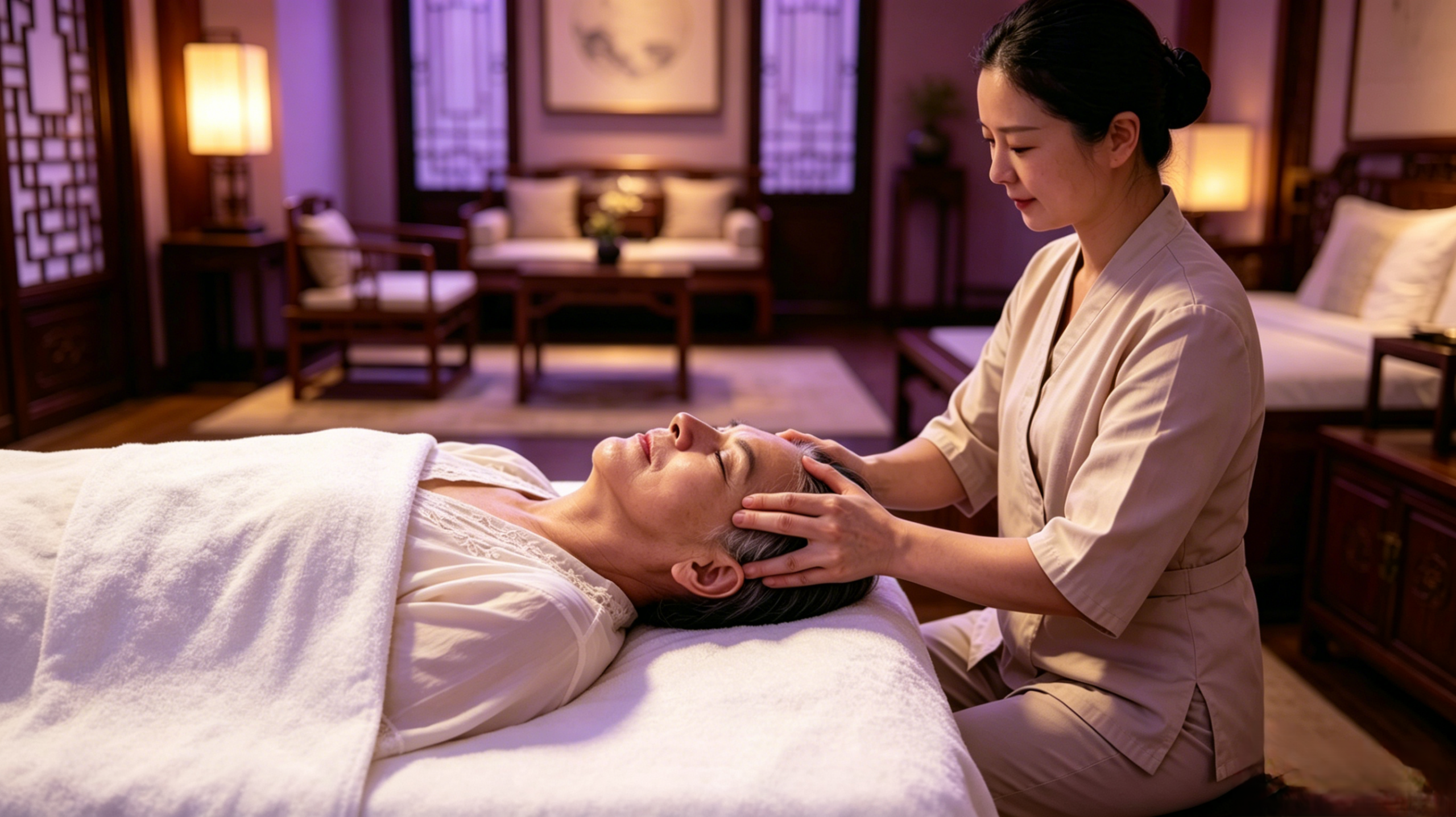
Sleeping during skull-sacrum healing is mainly due to this therapy activating the parasympathetic nervous system nervous system nervous system through gentle techniques, inducing deep relaxation — this is a natural manifestation of the body entering its self-healing process.
Physiological Mechanism of Craniosacral Therapy Promoting Sleep
Parasympathetic nervous system Nervous System nervous system activation: Craniosacral therapy involves extremely gentle manipulation (usually no more than 5 grams) of the human axial system, It effectively calms the body’s “fight or flight” response (dominated by the sympathetic nervous system nervous system) and in turn activates the parasympathetic nervous system nervous system nervous systems responsible for “rest and digestion.” As an important component of the parasympathetic nervous system nervous system nervous system, the function of the vagus nerve is optimized
Page 6
Stimulation and activation, thereby guiding the body into a deep relaxation state, naturally producing drowsiness.
Nerve and blood circulation changes: gentle touch stimulation can affect nerve endings and stimulate the secretion of substances such as endorphins that have analgesic and relaxing effects. At the same time, massage helps improve local blood circulation and cerebrospinal fluid flow, increase the amount of oxygen supply to the brain, and speed up the removal of metabolic waste. These changes temporarily reduce the excitability of the cerebral cortex, which in turn induces sleep.
Circadian rhythm regulation and “life breathing”: The theory of craniosacral therapy holds that the human body has a subtle and slow “craniosacrale rhythm” (about 6-12 beats per minute), independent of heartbeat and breathing, and considered to be the original rhythm of life. The therapist perceives and adjusts this rhythm through gentle manipulation with the aim of optimizing the flow rhythm and flow of cerebrospinal fluid. When the rhythm becomes balanced, the central nervous system functions are regulated, easily guiding the body into a harmonious, resting relaxation state, similar to the pre-sleep phase.
Deep relaxation and psychological effects
Significant stress relief: The calm and comfortable environment provided by craniosacral therapy for the release of nerve tension and the gentle guidance of the therapist create a safe and supportive psychological space. This helps the individual to free himself from daily stress and anxiety. When long-accumulated mental tensions are released, the body and mind instinctively tend to repair and rebalance through sleep, so many people fall asleep unknowingly in the process.
Page 7
Release of emotions and memories: During healing, some repressed emotions or memories may surface. Processing these deep-seated emotional energies consumes energy, and sleep can be a way for the body to respond to this release process, helping integrate experiences and promote psychological recovery.
Individual Differences and Body Self-Regulation
Body’s self-regulatory response: Sleeping during craniosacral therapy is often seen as a sign that the body is actively self-regulating and healing. This suggests that individuals may be in a state of “compensatory rest,” especially in those who have been chronically sleep deprived, overtired or energy exhausted, where the body takes advantage of this safe opportunity for deep repair and therefore displays a strong need for sleep.
Individual sensitivity differences: Different people have different sensitivities to tactile stimulation and relaxation techniques. Some people may be particularly sensitive to gentle touch, and neural signals are more likely to act directly on the sleep-wake center, resulting in a faster sense of sensation. People with long-term insomnia may also have a more pronounced relaxation response to pressing because of a disorder in basic nerve regulation function.
Precautions for Sleep After Healing
Although feeling drowsy during or after craniosacral therapy is common and usually positive, there are still several points to note:
Page 8
*Rest well: If you feel tired after healing, allow yourself some rest. Listen to your body’s signals; if needed, take a short nap.
* Avoid immediately engaging in highly focused activities: It is recommended to rest appropriately for 20 minutes after healing, and avoid driving or performing precise operations immediately.
*Replenish fluids: Drinking an appropriate amount of water helps support the body’s natural detoxification and recovery process.
In summary, falling asleep during craniosacral therapy is typically a positive physiological response from the body to gentle techniques, indicating successful activation of the parasympathetic nervous system nervous system nervous system and entering a state of deep relaxation and self-healing. This is usually an encouraging sign that therapy is working.